In 2026, AI is no longer a novelty in the design industry — it's infrastructure. Tools like Midjourney, Figma AI, and a dozen others have become part of the standard workflow at studios like ours. But the conversation around AI in design is still dominated by two extremes: breathless evangelism and defensive fear. Both miss the point.
What AI Is Actually Good At
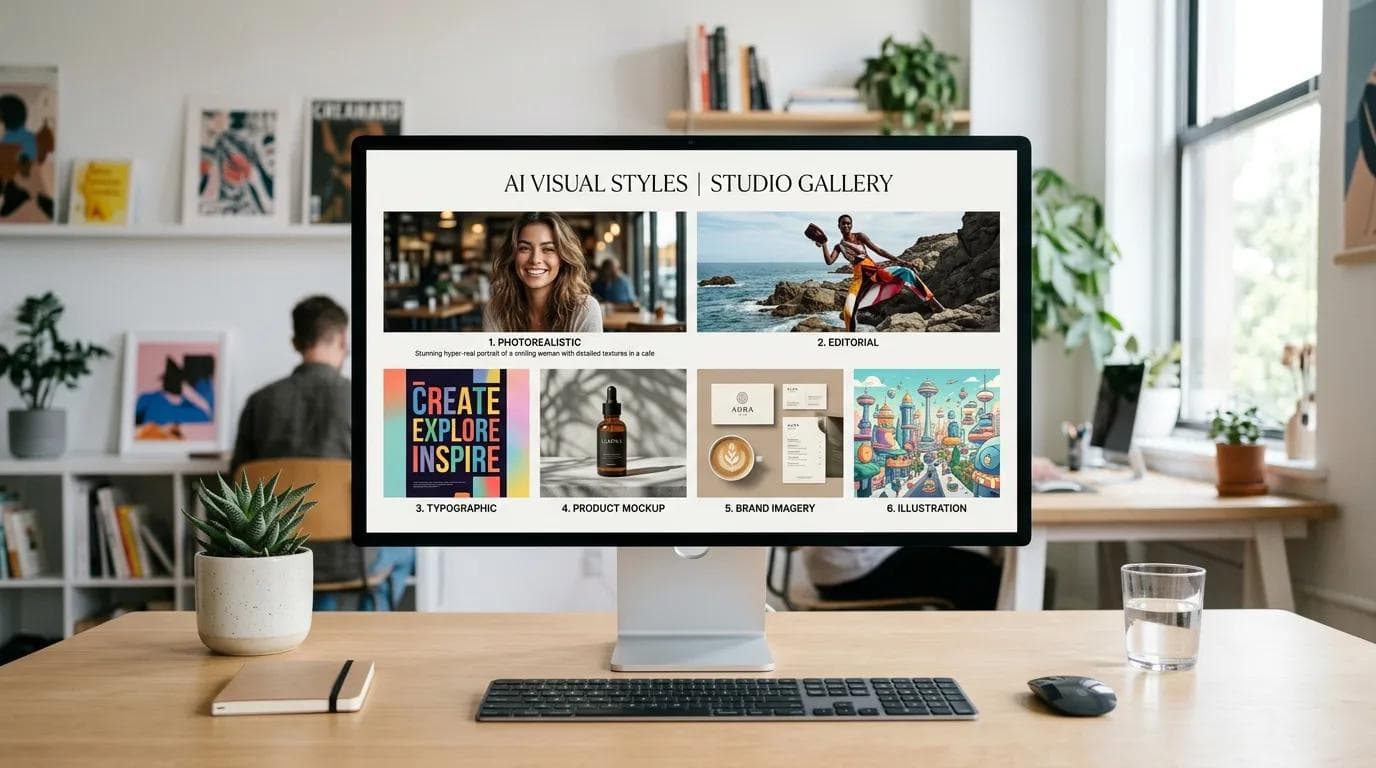
AI tools have genuinely changed the speed of certain phases of the design process. Moodboarding, asset generation, copy drafting, icon creation — tasks that used to take hours now take minutes. That's real, and it matters. It means we spend more time on the things that require human judgment.
Where AI delivers clear value in our workflow:
- Rapid concept generation — exploring 20 visual directions in the time it used to take to explore 3
- Image creation for moodboards and client presentations
- Copywriting first drafts for UI text, microcopy, and placeholder content
- Code generation for boilerplate components and repetitive patterns
- Automated accessibility checks and contrast ratio validation
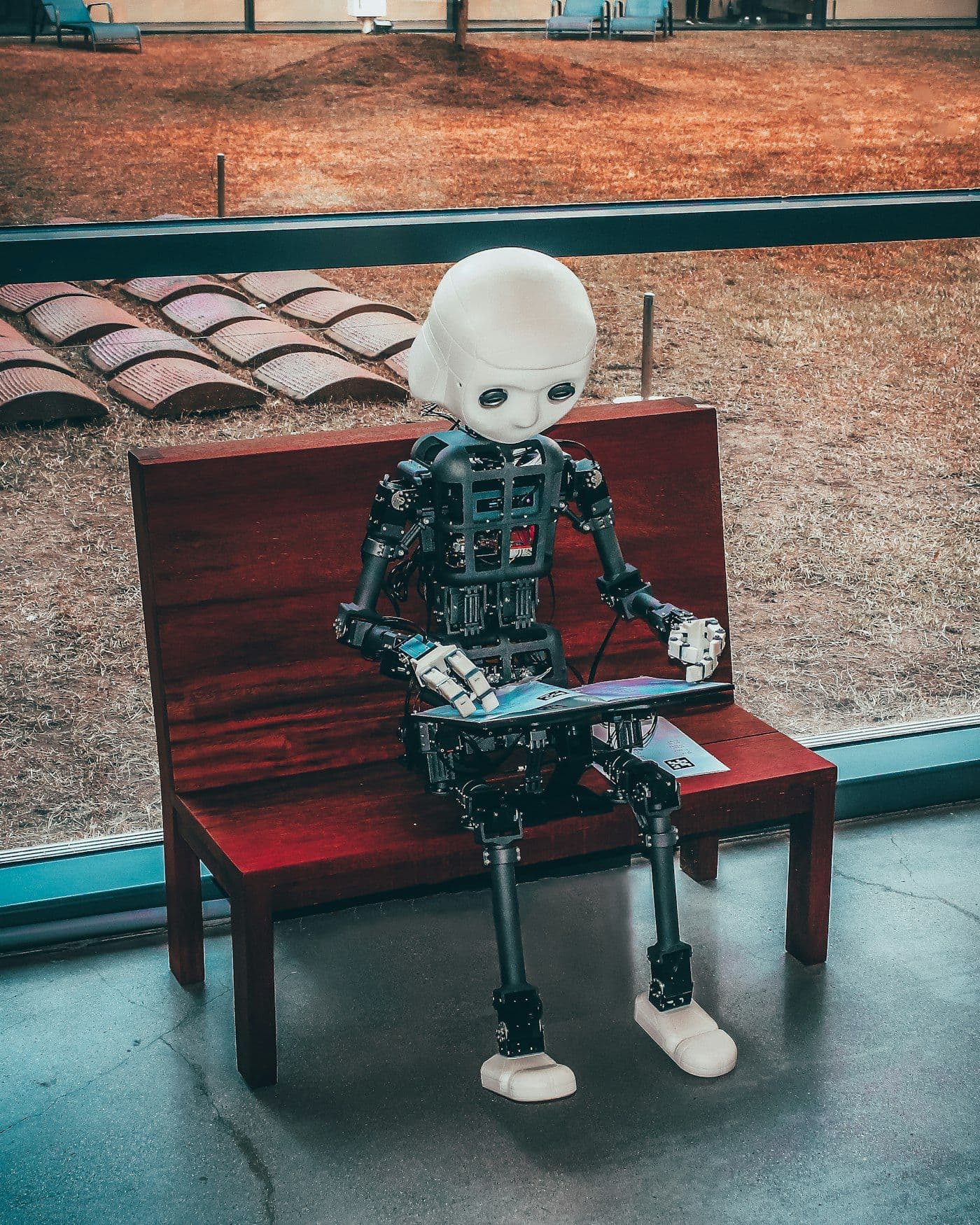
AI doesn't design. It generates. The difference matters enormously. Generation without judgment produces noise. Design is the act of making choices — knowing what to remove, what to emphasise, and why.
What AI Cannot Replace
Strategy. Empathy. Taste. These are the three things AI cannot replicate, and they happen to be the three things that determine whether a design succeeds or fails in the real world.
Strategy requires understanding a business's goals, its competitive landscape, and its customers' psychology. Empathy requires understanding how a real human feels when they land on a page — their anxieties, their hopes, their impatience. Taste requires a developed sense of what is appropriate, elegant, and effective for a given context. AI can approximate all of these, but approximations are not good enough when the stakes are a client's revenue.
The New Skills That Matter
The designers thriving in 2026 are those who've developed new skills alongside the tools. Prompt engineering — knowing how to direct AI tools to produce useful output — is now a genuine craft. So is the ability to rapidly evaluate and edit AI-generated work, discarding what's mediocre and developing what's promising.
The fear that AI replaces designers misunderstands what designers actually do. The fear that AI doesn't change anything misunderstands the scale of the shift. The truth is somewhere more interesting: AI changes what designers spend their time on, not whether designers are needed.
Our Approach at SocialScript
We use AI tools wherever they make us faster and better. We don't use them where they make us generic. Every project still starts with a strategy session, a competitor analysis, and a genuine attempt to understand what makes our client's brand different. AI cannot do that work. But once we know what we're building and why, AI helps us build it faster and explore more possibilities. The tooling moved on again since: see our breakdown of the AI design agents reshaping UI workflows in 2026.