Dribbble and Awwwards still matter, but if they're your only sources in 2026 you're seeing the same references as every designer on the same newsletters. The interesting stuff lives in more specialized places. This is the list we pull from at SocialScript, organized by what you're looking for.
The short version, if you just want the picks: for full sites start with Godly, SiteInspire, and Land-book; for mobile and product flows, Mobbin and Page Flows; for typography, Typewolf and Fonts in Use; for branding, Brand New and Identity Designed; and for motion, Motionographer. The full breakdown, organized by what you're looking for, is below.
Web design — full sites
1. Godly.website
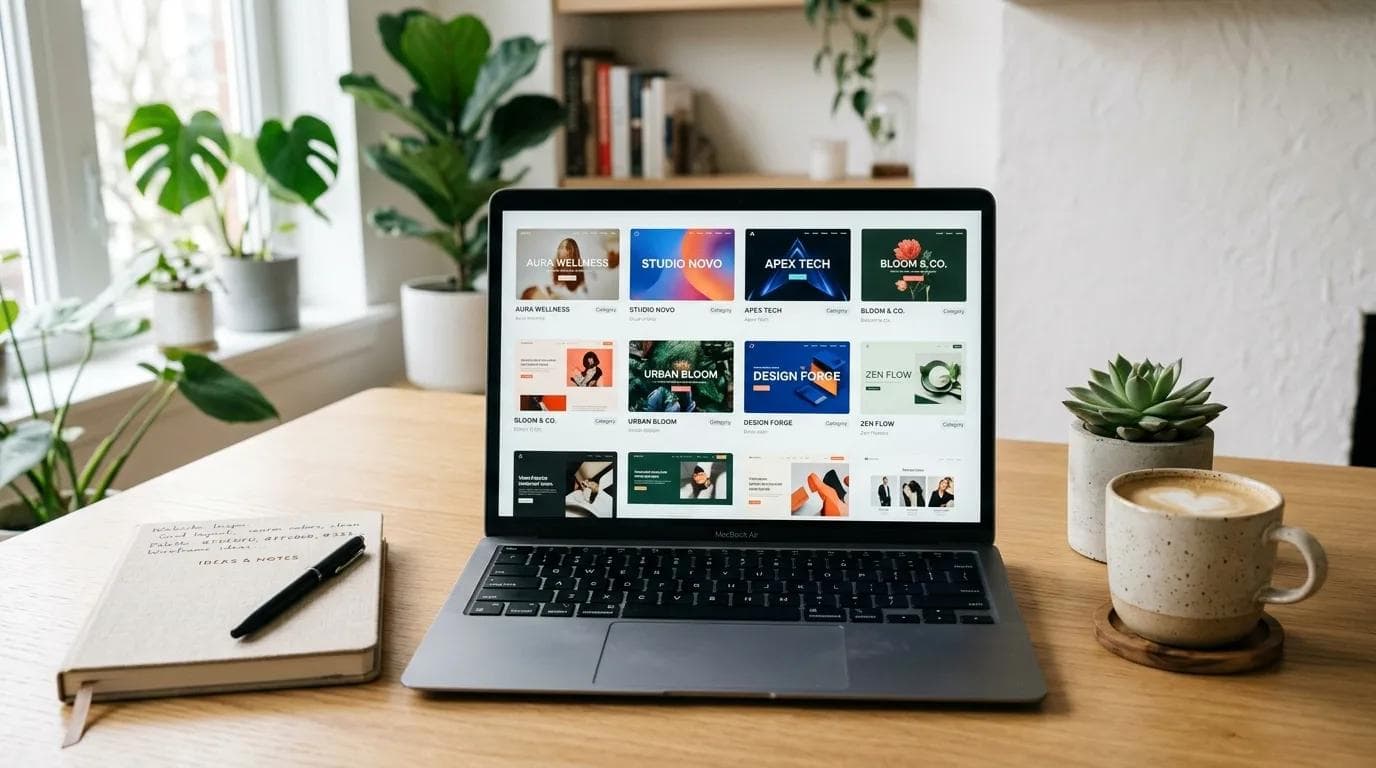
Godly.website is curated by a small team and ships 2-3 sites a week, almost always worth studying. It favors craft over novelty — more restrained, editorial, typographically considered work than you'll find on Awwwards. If you're looking specifically for editorial layout and typography inspiration in 2026, this is the gallery to start with: the selections lean on grid discipline, considered type scales and generous whitespace rather than heavy motion or interaction gimmicks.
2. SiteInspire
SiteInspire is the reliable middle lane: a broad archive of 'good modern websites' with clean tagging by style, type, and subject. Best for competitive research — seeing what agencies in your category are shipping.
3. Land-book
Land-book is landing pages specifically, filtered by SaaS, app, portfolio, and startup. High signal-to-noise because every submission is reviewed, and the 'trending' filter surfaces what's resonating this month.
4. One Page Love
One Page Love is one-page sites only. The constraint produces focused work — when you have one scroll to tell a story, every decision is deliberate. Good for studying conversion patterns.
5. Refero
Refero is a newer entry that organizes inspiration by UI pattern — pricing tables, onboarding flows, empty states, dashboards — rather than full sites. When you need 'how do other teams solve this specific problem,' start here.
Mobile and app design
6. Mobbin
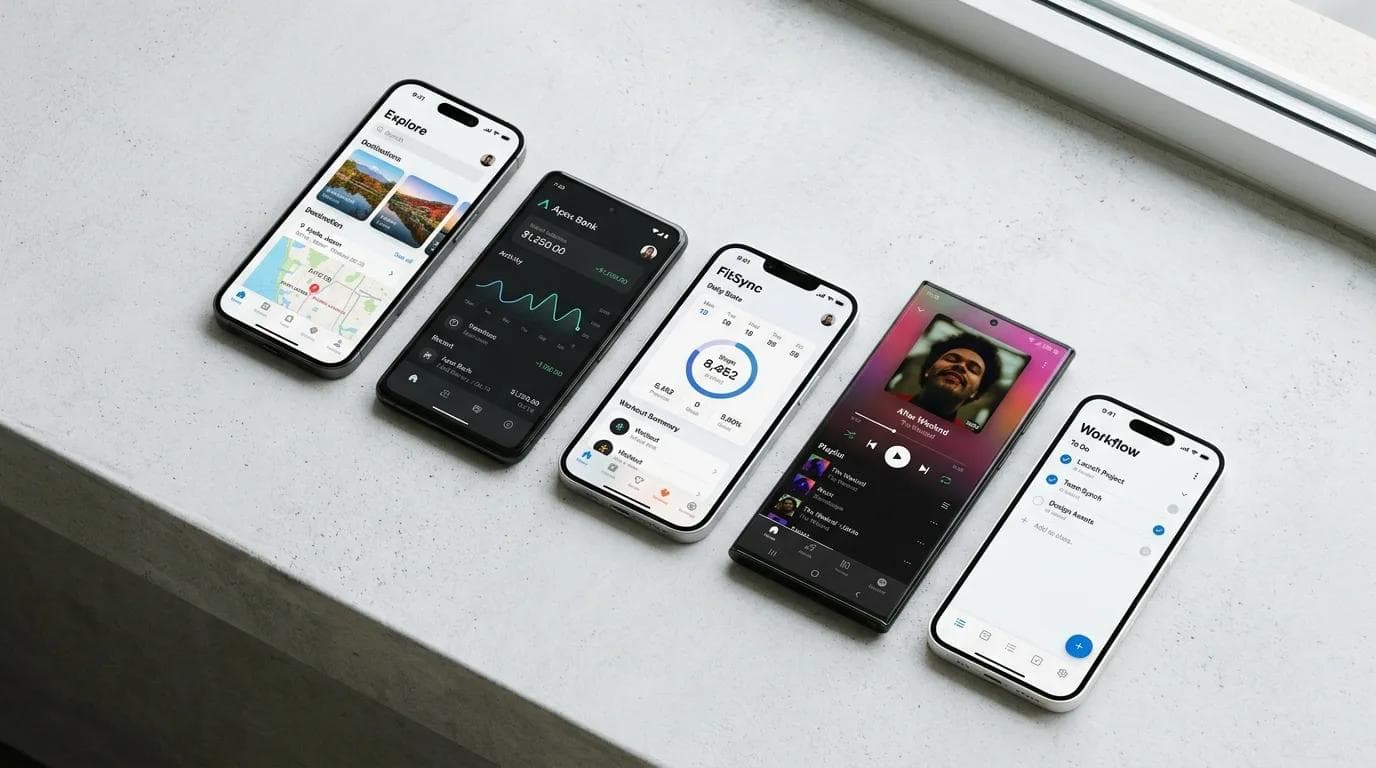
Mobbin is the single best mobile inspiration resource: full-flow captures of real apps (not marketing screenshots), organized by UI element and industry. The subscription is worth it if you touch native mobile.
7. Page Flows
Page Flows is video recordings of specific product flows — sign-up, upgrade, cancellation, first-run. Useful for understanding the timing and transitions still images can't convey — the same lens we bring to mobile thumb-zone patterns.
8. UI Garage
UI Garage is a weekly newsletter plus a searchable archive of mobile UI patterns. Less encyclopedic than Mobbin but a good complement — it highlights emerging patterns rather than established ones.
Typography
9. Typewolf
Typewolf is Jeremiah Shoaf's hand-curated site pairing featured typefaces with sites that use them well. 'Sites of the Day' and 'Fonts in the Wild' are where we go first for typeface pairings.
10. Fonts in Use
Fonts in Use is more historical, archiving typeface applications across print, brand systems, signage, and web. When you need to understand a typeface's character through its real-world usage, this is the resource.
Branding and identity
11. Brand New (UnderConsideration)
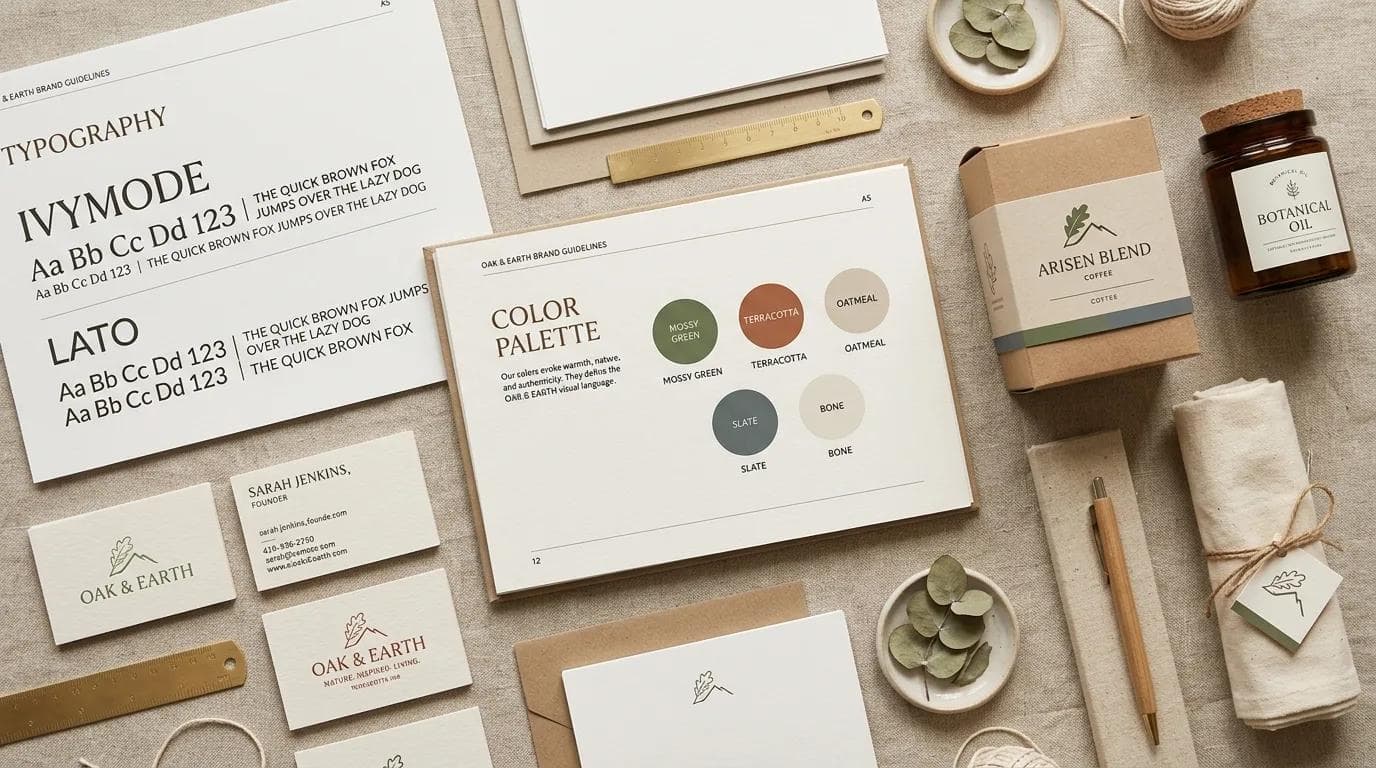
Brand New (from UnderConsideration) is the premier site for brand-identity analysis. Every entry reviews a rebrand — the old system, the new, and a critique. Reading it for a year is a free brand-strategy education.
12. Identity Designed
Identity Designed is curated case studies of identity projects with real work and process documentation. Where Brand New is analytical, Identity Designed is aspirational — look here for what complete brand systems look like end to end.
Motion design
13. Motionographer
Motionographer is the reference for motion-design work. Less web-focused than the rest, but invaluable for understanding how film and broadcast motion designers approach timing, staging, and micro-interaction polish.
14. LottieFiles Featured
LottieFiles Featured is where the best Lottie work surfaces — Lottie being the standard for lightweight on-site motion. Often animations you can license or reverse-engineer.
Editorial and writing
15. Subtraction.com (Khoi Vinh)
Subtraction.com is Khoi Vinh (ex-NYT, now at Figma) writing the most consistent long-form design criticism on the internet. Less visual inspiration, more contextual — why design matters and where it's going.
Designer accounts worth following
On X / Threads:
- Jordan Singer — design engineering
- Meng To — design systems
- Pablo Stanley — illustration
- Jon Yablonski — Laws of UX
- Rauno Freiberg — animation
- Soren Iverson — conceptual UI
- Alana Cloutier — typography
- Ahmad Shadeed — CSS
- Frances Beaudette — UX writing
- Femke Smit — editorial design
A daily inspiration routine
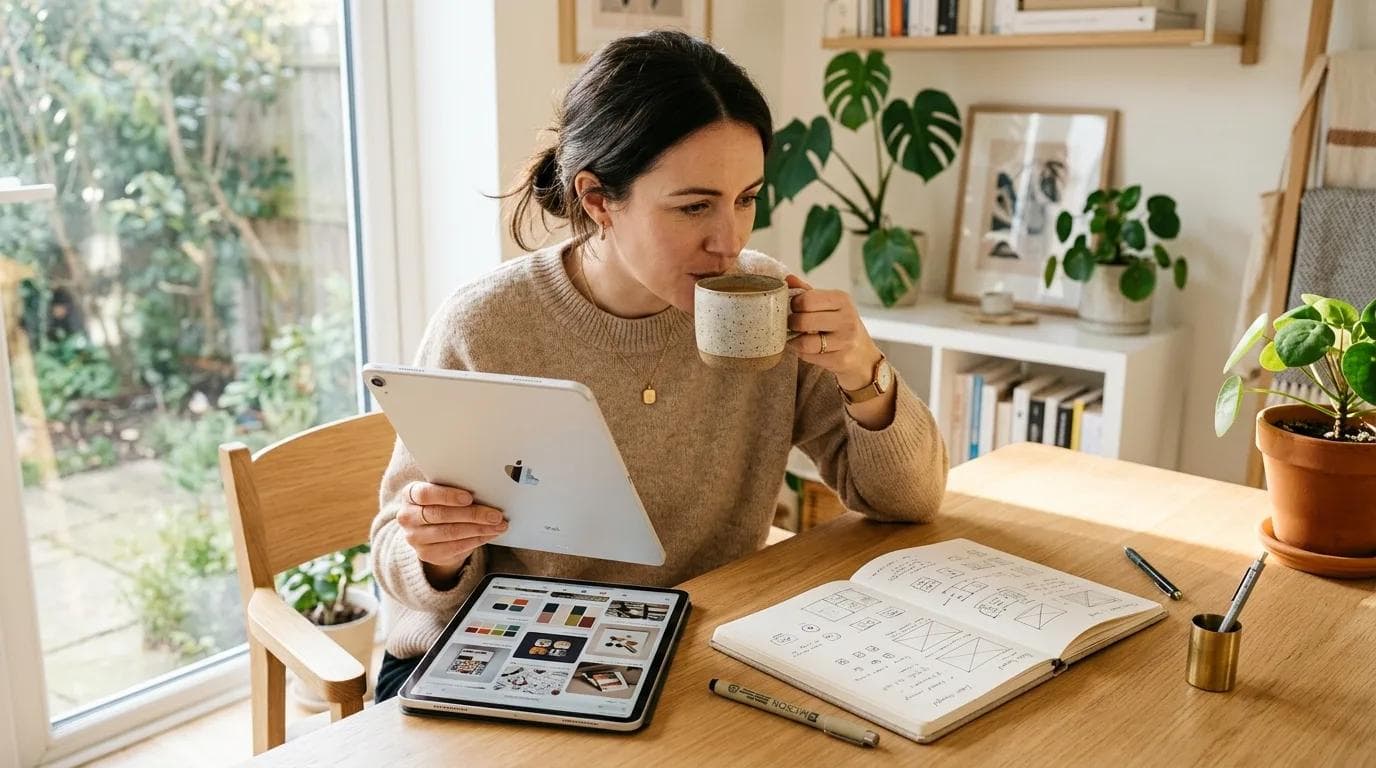
Most designers scroll inspiration sites as procrastination — an hour of drift producing no change in the work. A better routine:
The 10-minute daily practice:
- Pick two sites from this list — rotate weekly
- Spend five minutes on each
- Save three specific things to a dedicated, tagged board
- Do not scroll 'just one more' beyond the ten minutes
- Do this for a month; your visual vocabulary compounds
How to avoid copying
Inspiration becomes plagiarism when you reach for it during design, not before. The trick: look at inspiration in one session, then work in a completely separate session without references open. Your brain remembers patterns but not specifics — which is what 'inspired by' should mean.
The point of inspiration
Inspiration isn't a menu to order from — it's nutrition. Good references give you more vocabulary to solve your own problems. Bad habits give you reference rot: every project looks like the last thing you saved. The 15 sites above resist trend cycles, which is why they reward repeat visits.
Frequently asked questions
Where can I find website design ideas? Start with curated galleries rather than social feeds: Godly and SiteInspire for full sites, Land-book and One Page Love for landing pages, and Mobbin for real app flows. The 15 sites in this list are the ones we pull website design ideas from at Social Script, grouped by what you are actually looking for — web, mobile, typography, branding or motion.
What are the best design inspiration sites in 2026? Beyond Dribbble and Awwwards, the most useful are Godly and SiteInspire for full websites, Mobbin for mobile and app UI, Typewolf for typography, Brand New for branding, and Motionographer for motion design — each covered in detail above.
Where do designers find inspiration besides Dribbble and Behance? In curated, specialist galleries: SiteInspire and Land-book for web, Mobbin and Page Flows for product flows, Fonts in Use and Typewolf for type, and Brand New for identity work. These are reviewed rather than open-upload, so the signal-to-noise is far higher.
Is Mobbin worth paying for? If you design mobile or app interfaces, yes — it is the most comprehensive library of real, full-flow app captures, organized by UI element and industry. For occasional reference, the free tier plus UI Garage cover a lot.
How do I use inspiration without copying? Look at references in a separate session from when you design. Your memory keeps the patterns but drops the specifics, so you solve your own problem with a richer visual vocabulary instead of cloning a layout.
If you need inspiration-literate designers who can actually ship, see how we approach UI/UX design — or browse our recent work.