If you have spent any time building with AI agents in 2026, you have hit the same wall. You need your agent to search the web. Or read a PDF. Or apply consistent design standards. Or follow your team's TDD workflow. So you write a prompt. Then you write it again in the next project. Then a colleague writes a slightly different version of the same prompt. The knowledge that makes agents useful stays trapped in individual conversations, never shared, never improved upon.
Enter Skills.sh: Reusable Capabilities for AI Agents
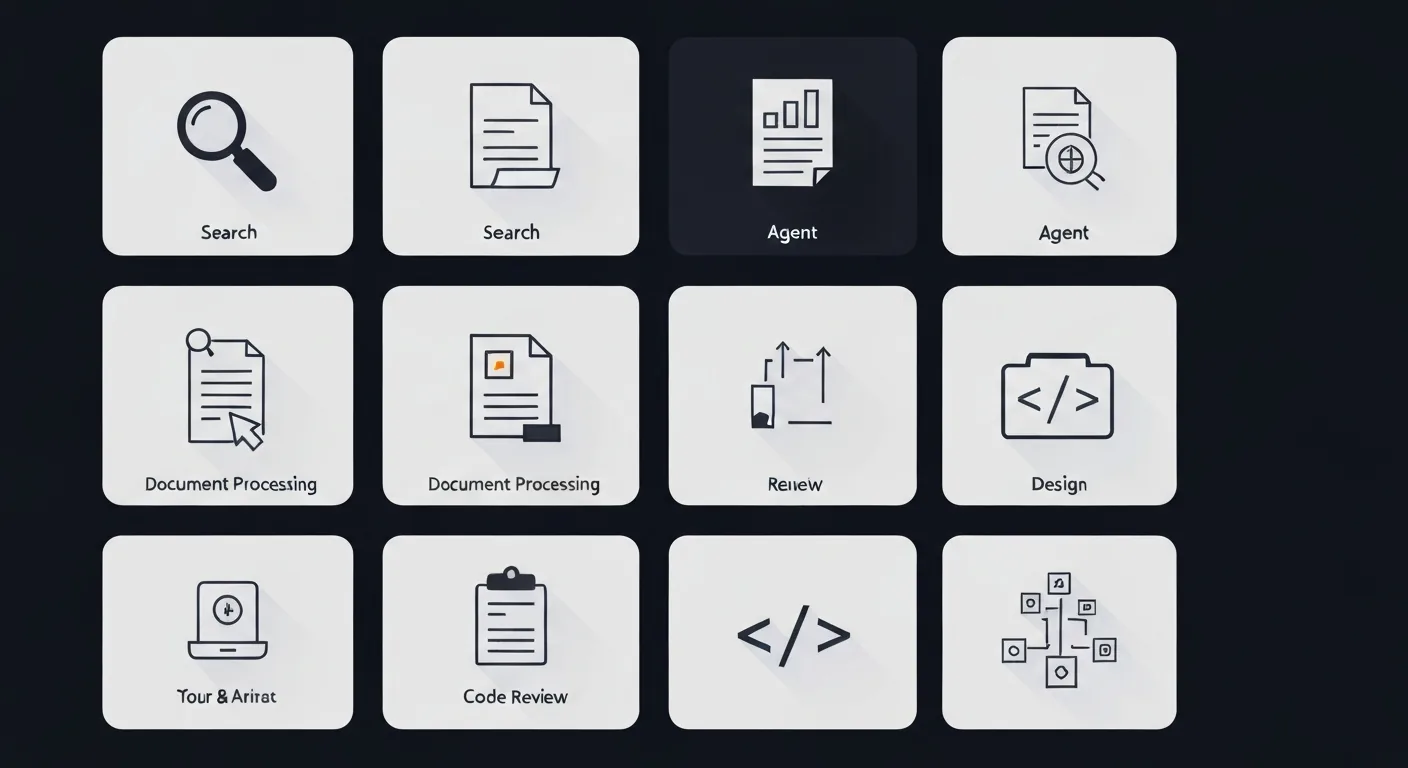
Skills.sh is the Agent Skills Directory — a centralised, open-source ecosystem where developers can discover, install, and share reusable capabilities for AI agents. Think of it as an app store for agent skills: instead of reinventing procedural knowledge from scratch, you install it in a single command and your agent gains that capability immediately. The platform currently tracks over 91,000 skills and works across 20+ agent platforms including Claude Code, Cursor, Cline, GitHub Copilot, and VS Code.
The format was originally developed by Anthropic as an open standard for agent capabilities. Vercel subsequently built Skills.sh as the discovery and distribution layer, creating the ecosystem around it. The result is a compound system: each skill published by the community makes the entire ecosystem smarter.
How It Works Under the Hood
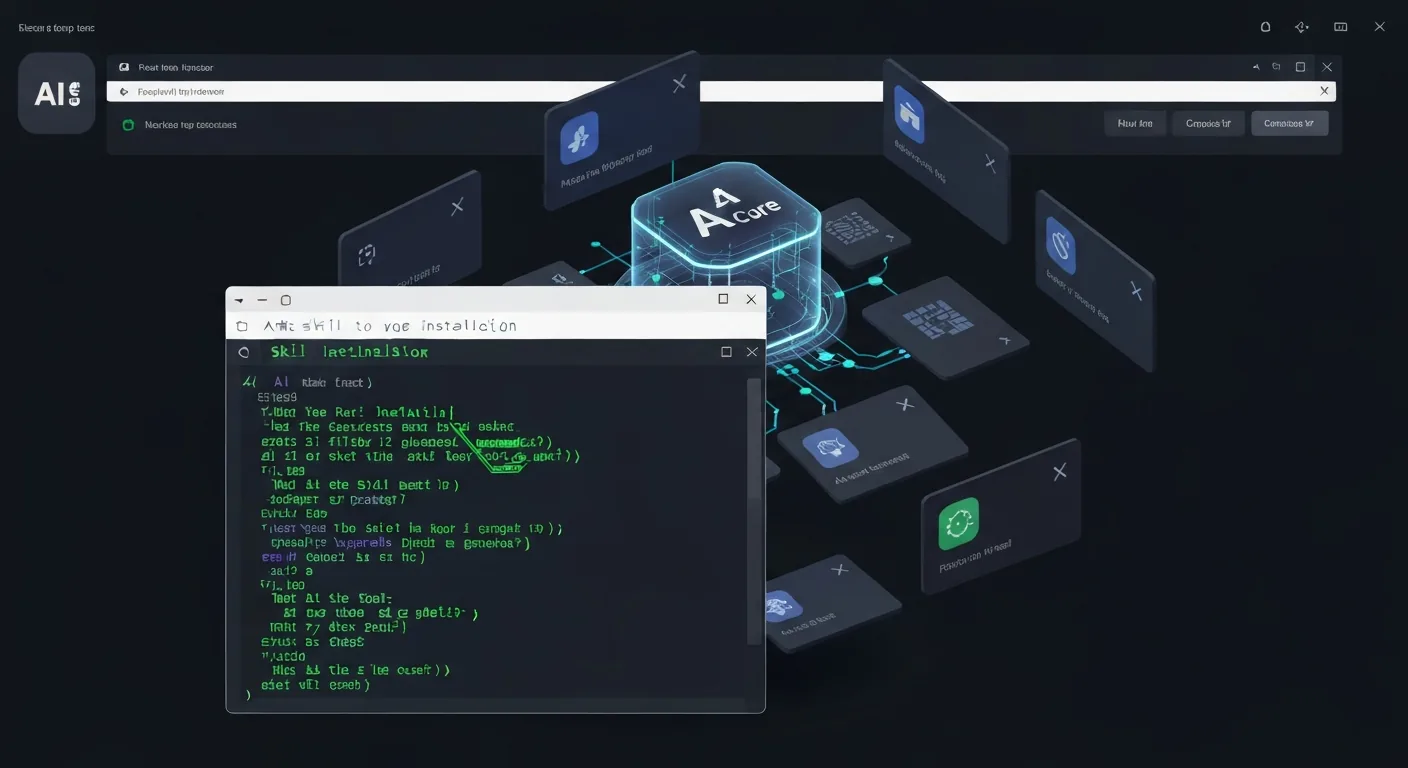
Skills are implemented as structured shell-based commands with a defined contract: they declare their inputs, outputs, and execution behaviour in a configuration file. Installation is straightforward — `npx skillsadd owner/repo` — and the skill is immediately available to your agent.
The architecture is clever about token efficiency. When an agent session starts, Claude scans skill metadata at roughly 100 tokens per skill to identify which ones are relevant. It then loads full instructions — capped at 5,000 tokens — only for the skills that apply to the current task. Bundled resources load on demand. This progressive disclosure model means you can have hundreds of skills installed without bloating every conversation.
If you find yourself typing the same prompt repeatedly across multiple conversations, it is time to create a Skill. Skills convert tribal knowledge into durable, shareable infrastructure.
The Best Skills Worth Installing Right Now
These are the standout skills in the ecosystem as of 2026:
- find-skills — The meta-skill with 1M+ installs. Helps your agent discover and install other skills from the directory. Start here.
- frontend-design (Official Anthropic) — 277K+ installs. Applies UI/UX best practices, accessibility standards, and design patterns automatically to your interface work.
- web-design-guidelines — Audits UI code against 100+ rules covering accessibility, performance, and UX. Encodes established engineering standards so Claude applies them consistently across your team.
- valyu-search — Connects agents to web search and 36+ specialised data sources including SEC filings, PubMed, and academic publishers. Scores 79% on the FreshQA benchmark.
- mcp-builder (Official) — The official skill for building Model Context Protocol integrations. Extend your agent with any external API.
- remotion — Deep domain knowledge for building programmatic videos with React. Animations, timing, audio, captions, 3D — all handled.
- obra/superpowers — A community collection with 20+ battle-tested skills covering TDD patterns, debugging strategies, and collaboration workflows.
- Document skills (docx, pdf, pptx, xlsx) — Official collection for complex file format handling with tracked changes, formulas, and data analysis.
Why This Changes How Teams Build with AI
The fundamental shift Skills.sh enables is the separation of knowledge from conversation. Before, a team's expertise with AI agents lived in prompts scattered across individual sessions. A senior engineer who knew how to get Claude to produce excellent design systems had to share that knowledge informally — or everyone reinvented it.
Skills externalise that knowledge. When the frontend-design skill encodes hundreds of design system rules, every developer on your team gains access to that expertise the moment they install it — the same leap we explore in how AI turns a prompt into production-ready UI. The skill improves over time as the community contributes. It is versioned, auditable, and can be reviewed in your governance process just like any other dependency.
It is also worth noting what Skills.sh is not competing with. The platform is explicitly complementary to Anthropic's Model Context Protocol (MCP): MCP focuses on connecting agents to external APIs and live data, while Skills.sh excels at local command execution and encoding procedural knowledge. Both serve enterprise agent deployments, and many production systems use both.
Getting Started
The barrier to entry is intentionally low. Visit skills.sh, find a skill relevant to your work, and run the install command. The ecosystem rewards exploration — start with find-skills to let your agent discover what else is available, and go from there. If you build something useful that you keep reaching for across projects, publish it. The best skills in the directory were built by developers who solved their own problems and shared the solution.